If you pay utility bills and own clothes, you are paying for laundry twice: once in energy, again in premature wear. This guide explains the mechanical and chemical reasons behind those costs. You will learn how water temperature impacts energy consumption and how over-drying degrades fabric integrity.
These strategies focus on practical adjustments to your washing, drying, and maintenance routines. By understanding the drivers of expense, you can make informed choices that lower your monthly outlay. The goal is to extend garment lifespan while reducing utility usage, ensuring every wash delivers maximum value without unnecessary strain on your appliances or wallet.
Understanding the Drivers of Laundry Expenses
Your laundry expenses stem from three primary sources: water, electricity, and consumables. Water usage depends on the volume required for each load. Electricity drives two major functions: heating wash water and powering the dryer’s heating element and fan. Consumables include detergents, fabric softeners, and dryer sheets. Among these, electricity is typically the largest variable cost. Heating water demands significant energy, especially when using hot cycles. Similarly, running the dryer consumes substantial power over extended periods. Understanding this hierarchy helps prioritize efficiency efforts.
Targeting the highest-cost drivers yields the greatest financial return. Reducing energy consumption for water heating and drying directly lowers your utility bills. For instance, lowering the Water temperature from hot to warm or cold significantly cuts the energy needed to heat the water. This shift has a more substantial impact on your bill than merely using less detergent. Likewise, optimizing dryer usage prevents paying for unnecessary heat cycles. By focusing on these high-impact areas, you address the core of your monthly outlay.
Efficiency in these mechanical and chemical processes creates compounded savings. A well-sized Load size ensures the machine uses water and energy proportionally to the amount of laundry. Overfilling reduces cleaning effectiveness, leading to repeat washes and higher overall consumption. Underfilling wastes resources. Similarly, maintaining a clean Lint trap keeps airflow efficient, allowing the dryer to reach target temperatures faster and finish cycles sooner. These adjustments transform routine habits into cost-saving actions. They align your daily practices with the mechanical realities of how appliances operate, ensuring you pay only for the energy actually used to clean your clothes.
Optimizing Washing Machine Usage
Cold water cuts heating costs because the machine only uses the energy needed to run the motor and circulate water. For routine loads—shirts, jeans, towels—cold temperatures keep stains at bay and still activate most detergents, which are formulated for 30‑40 °C water.
Proper load size lets the agitator or impeller move clothes freely. Overloading traps fabric, so the machine works harder and may need a second rinse. Underloading leaves a full drum but still uses the same water and heating cycle, wasting resources.
Using just the recommended detergent dose avoids excess suds that trigger extra rinse cycles. Too much soap forces the machine to run longer to remove residue, increasing water usage and energy draw. A light, measured amount keeps cleaning efficient and cycles short.
By matching temperature, load, and detergent, you trim the machine’s energy profile. Each small adjustment reduces the cost of a single wash, adding up to noticeable savings over a month and helping you achieve the goal of How to Reduce Laundry Costs at Home.
Improving Dryer Efficiency and Airflow
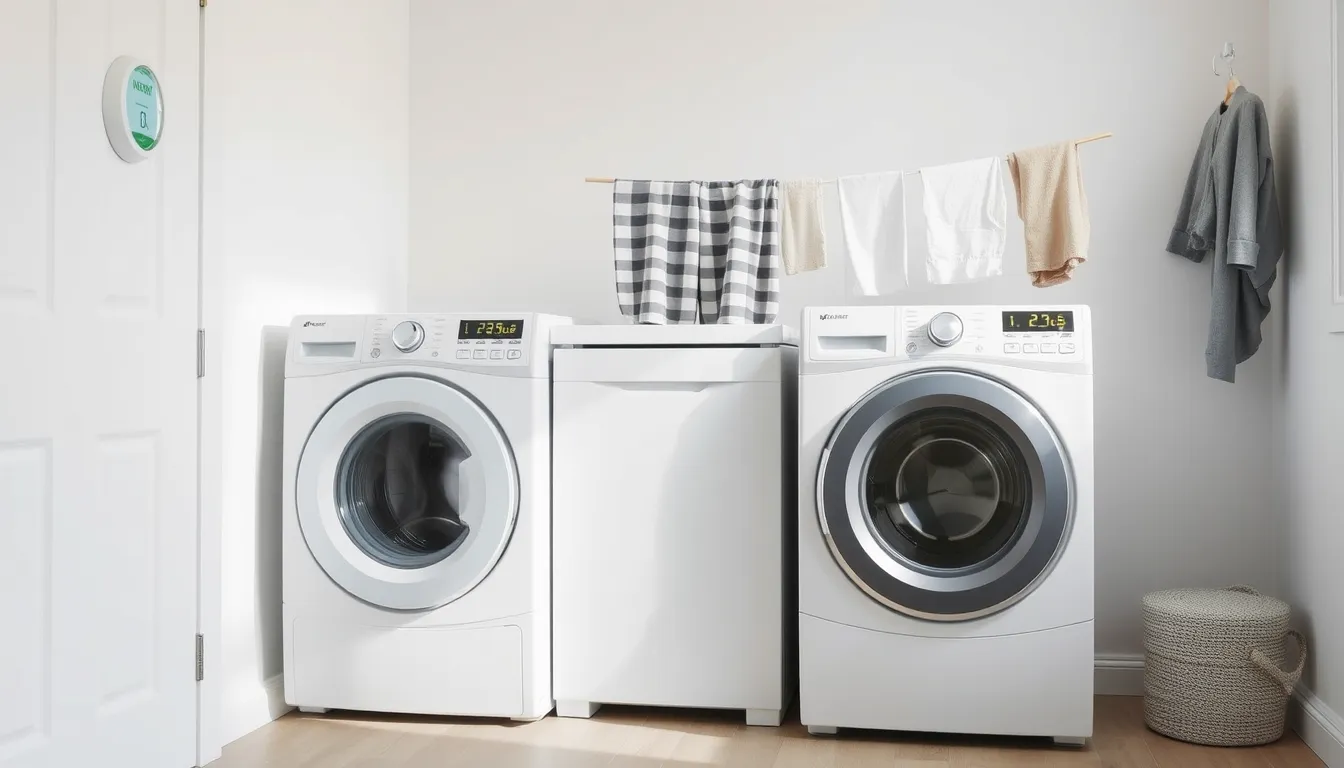
The dryer typically consumes more energy than the washing machine, making it a primary target for cost reduction. Its efficiency relies heavily on unrestricted airflow. When lint accumulates, it acts as insulation, forcing the heating element to work harder and run longer to reach target temperatures.
The Lint trap is the first line of defense. Cleaning it before every load is not just a maintenance chore; it is a critical step in maintaining proper airflow. A clogged filter restricts air movement, increasing cycle duration and wear on the motor. Beyond the filter, the dryer vent system requires periodic inspection. A blocked vent hose traps heat and exhaust, which not only reduces drying efficiency but also poses a significant fire hazard. Ensuring the path from the drum to the outdoors is clear allows hot air to escape efficiently, shortening cycle times and lowering energy draw.
Load size also impacts performance. Overloading prevents clothes from tumbling freely, trapping moisture inside bunched fabric and extending drying time. Conversely, underloading is inefficient, but a balanced load ensures optimal air circulation. Using dryer balls can help separate garments, improving airflow between items and reducing the need for high heat. If you are looking for How to Reduce Laundry Costs at Home, consider air-drying items when weather permits. Hanging clothes outside or indoors eliminates dryer energy use entirely, preserving fabric integrity and cutting utility expenses.
Finally, monitor the Spin cycle settings on your washer. A higher spin speed removes more water before the dryer even starts, significantly reducing the energy required for drying. Combining a clean Lint trap, proper Load size, and efficient pre-drying creates a system where every dollar spent on electricity yields maximum drying power.
Maintaining Appliances for Long-Term Savings
A well-maintained appliance operates at peak efficiency, while a neglected one works harder to achieve the same results. Mechanical friction, worn seals, and clogged components force motors to draw more power, directly increasing your energy bill. Start by checking for leaks around hoses and connections. Even a small drip wastes water and can cause water damage, leading to expensive repairs. Ensure your machine is level. An unbalanced washer vibrates excessively during the Spin cycle, stressing internal bearings and reducing spin speed. This leaves clothes wetter, forcing the dryer to run longer and consume more electricity.
Regularly clean the drum and filters. In washers, residue buildup on the drum can harbor bacteria and reduce cleaning efficacy. In dryers, lint accumulation restricts airflow, causing the heating element to work overtime. A blocked exhaust vent is a major fire hazard and a primary driver of inefficient drying.
When considering repairs versus replacement, look at the total cost of ownership. Older, non-Energy Star models are less efficient, meaning every month of use costs more than a newer, high-efficiency unit. If repair costs approach the price of a new machine, or if the appliance is significantly older, replacing it often saves money over time. Regular maintenance prevents minor issues from becoming catastrophic breakdowns. By addressing small problems early, you extend the lifespan of your equipment and avoid the premium price of emergency service calls. Consistent care transforms your laundry setup from a cost center into an efficient system, ensuring that every cycle delivers maximum performance for minimum expense.
Extending Garment Lifespan to Reduce Replacement Costs
-
Investing in durable fabrics: High-quality materials resist wear and tear far better than cheap synthetics. While the initial cost is higher, these garments withstand repeated washing cycles without pilling, fading, or losing shape. This reduces the frequency of replacements, lowering your long-term clothing budget.
-
Adopting gentle care routines: Always use the cold water setting and select a delicate or gentle spin cycle for sensitive items. Agitation and heat break down fiber structures over time. By minimizing mechanical stress, you preserve the fabric’s integrity, keeping clothes looking new for longer periods.
-
Executing precise sorting: Separate darks from lights and heavy items from delicates. Mixing heavy denim with delicate knits causes excessive friction and abrasion. Proper sorting ensures each item receives the appropriate level of care, preventing premature damage and uneven wear patterns.
-
Stopping over-drying: Remove items from the dryer while still slightly damp. The final minutes of heat are the most damaging to elastic fibers and natural fabrics. Air dry the remainder to maintain shape and elasticity, significantly extending the garment’s usable life.
-
Mending small damages: Do not discard items with minor tears, loose buttons, or unraveling seams. Simple mending techniques are quick and inexpensive. Repairing these small issues prevents further deterioration and keeps functional, well-loved pieces in circulation, offering substantial savings compared to buying new replacements.